
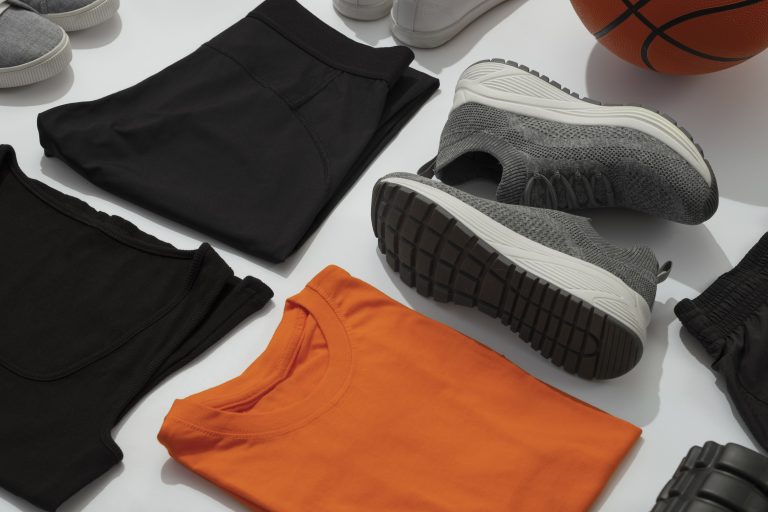
How Erreà and Ympact use QR code-enabled Digital Product Passports to improve product traceability, sustainability data access, and consumer trust.
Fashion & Apparel Case Studies on Traceability
This section features case studies on how fashion and apparel brands adopt traceability to meet regulatory, sustainability, and consumer demands. These real-world projects demonstrate how digital product data is reshaping the fashion industry. Read More
All materials on this page are free to download after signing up to our newsletter.
If you’re a student, a researcher, or working on real-world supply chain challenges, feel free to use, cite, and share these resources.

Wear Me 30 Times: How Gamification Is Redefining Conscious Fashion
Learn how gamification and the Wear Me 30 Times rule create sustainable habits and reduce fashion footprints.
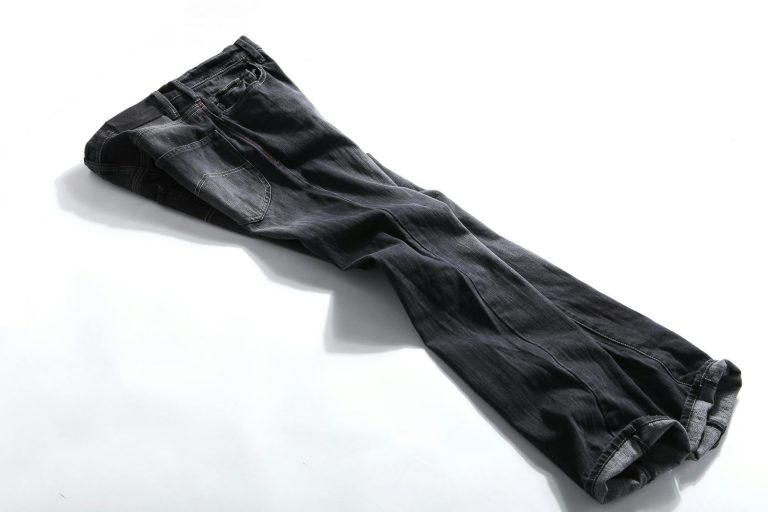
Why Sustainable Denim Matters: Levi’s Zero-Waste Fashion Story
How Levi’s is turning sustainable denim into a blueprint for eco-friendly fashion and circular innovation.

Stella McCartney and Fashion Circularity Through Recommerce
How Stella McCartney is making circular fashion the new standard for luxury, through innovation, partnerships, and purpose-driven design.
What You’ll Find Here
Here you’ll find examples of how brands are using traceability to support EU Digital Product Passport (DPP) requirements, ethical sourcing, and anti-counterfeiting measures. These studies show how transparency drives consumer trust and loyalty.
In this section, you will find:
- Case studies on Digital Product Passport (DPP) adoption in fashion.
- Examples of sustainable sourcing and transparency initiatives.
- Insights into counterfeit prevention and product authentication.
- Stories of brands integrating traceability into supply chain operations.
- Lessons on how transparency creates competitive advantage and customer loyalty.
Browse the most recent Fashion & Apparel case studies. This section updates automatically as new content is published.