

Traceability and Tracking
Consumers increasingly want to know the origins of the products they purchase. Right from the source until the end journey for various reasons. Parallelly, it has become more important for businesses to track where their products come from in detail. One term sums up this requirement and needs, that is traceability.
Definition of Traceability
Any product goes through several development stages in its lifecycle. It can involve manufacturing, shipping, quality control, etc. These stages occur one after the other.
During this lifecycle, keeping a record of what’s happening, when and where, is highly advantageous. This record-keeping process is known as traceability: it helps quickly pull up information on what happened when for purposes like compliance and customer.
Key Characteristics of a Traceability System
A reliable traceability system relies on several key characteristics that ensure data can be accurately collected, managed, and shared throughout the product lifecycle. These elements allow organizations to effectively track products, respond to operational needs, and meet regulatory and customer expectations.
- Uniqueness:Each product, item, or batch must have a distinct identifier (such as a serial number, batch code, or digital ID) to ensure accurate tracking throughout the supply chain.
- Granularity:The system should enable tracking at the appropriate level of detail, whether for individual products, batches, pallets, or other units, depending on business needs.
- Accuracy:Traceability data must be reliable, consistent, and free from errors to support informed decisions and maintain trust among supply chain stakeholders.
- Completeness:A traceability system should capture all relevant information related to a product’s journey, including origin, processing, movements, and transformations.
- Accessibility:Authorized users should be able to quickly and easily access the required information whenever needed, while ensuring appropriate data security and control.
- Scalability:The system must be flexible enough to adapt to business growth, increasing data volumes, new products, and evolving traceability requirements.
- Interoperability:Traceability systems should be able to exchange data and communicate with other platforms, such as ERP, supply chain, and compliance systems, to create a connected information flow.
Traceability vs Transparency
Traceability focuses on tracking a product’s journey through the supply chain, providing a detailed history of its movement and transformations. It answers the “where” and “when” questions.
Transparency, on the other hand, emphasizes making information about the product and its supply chain accessible to stakeholders, including consumers. It addresses the “what” and “how” by revealing details about ingredients, raw materials, sourcing, manufacturing processes, and ethical practices.
Traceability System Examples: Real-World Applications of Traceability
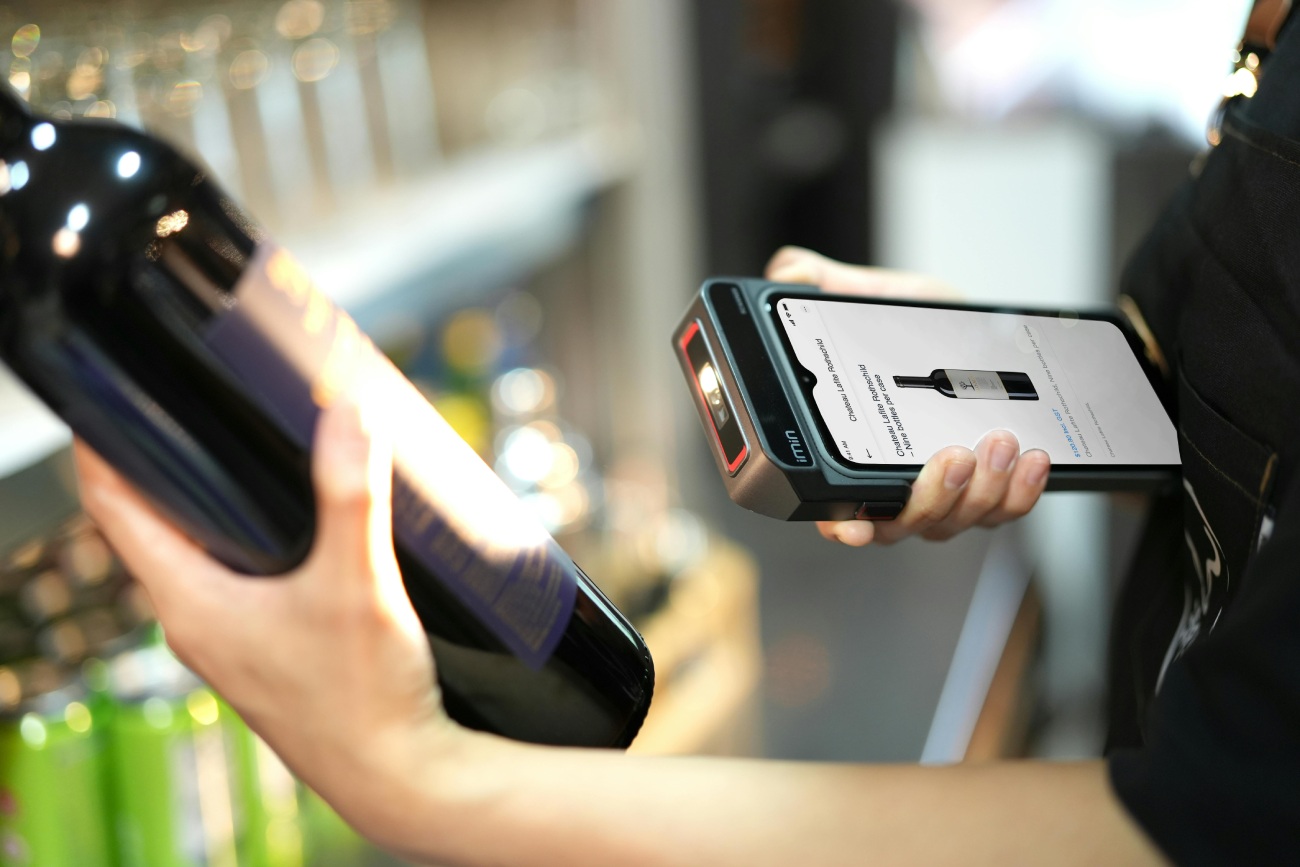
Traceability relies on a combination of technologies that enable companies to identify products, capture data, and manage information throughout the entire supply chain. From simple identification tools such as barcodes and QR codes to advanced digital platforms, these solutions work together to improve visibility, accuracy, and control across the product lifecycle.
Why Is Traceability Important?
Traceability has become a critical capability for businesses operating in increasingly complex and interconnected supply chains. By providing visibility into a product’s journey — from origin and production to distribution and final use — traceability helps organizations ensure quality, improve safety, meet regulatory requirements, and make more informed decisions.
Beyond compliance, traceability enables companies to optimize operations, prevent counterfeiting, respond quickly to product issues, and strengthen relationships with customers and stakeholders. In today’s global marketplace, traceability is no longer an optional advantage but a fundamental requirement for building transparent, resilient, and responsible supply chains.
Compliance Requirements Adherence
Regulatory authorities worldwide require companies across industries such as pharmaceuticals, cosmetics, and food & beverage to collect, maintain, and share traceability data. These records support transparency, product safety, and regulatory oversight. Failure to comply with traceability requirements can result in legal consequences, financial penalties, and reputational damage.
Supply Chain Optimization
By tracking products throughout manufacturing, processing, and logistics stages, companies gain greater visibility into their operations. Traceability helps identify inefficiencies, reduce waste, minimize delays, improve inventory management, and optimize overall supply chain performance.
Counterfeit Prevention
Traceability systems help verify product authenticity by using tools such as barcodes, QR codes, RFID tags, and unique identifiers. This enables organizations to detect unauthorized products, protect their supply chains, and ensure customers receive genuine and safe products.
Strengthening Brand Reputation
Providing transparent product information allows companies to build trust with customers and stakeholders. Traceability demonstrates commitment to ethical sourcing, sustainability, and responsible business practices, helping brands strengthen their reputation and differentiate themselves in the market.
Efficient Recall Management
When quality issues occur, traceability enables companies to quickly identify affected products, locate them across the supply chain, and execute targeted recalls. This reduces risks for consumers, limits operational disruption, and helps protect brand credibility.
What Industries Benefit from Traceability?
Traceability solutions support a wide range of industries where transparency, safety, and regulatory compliance are essential, including:
- Food & beverage
- Pharmaceuticals
- Healthcare
- Automotive
- Electronics
- Apparel and textiles
- Chemical industry
- And many more industries requiring reliable product visibility and data management.
Traceability Technologies: Next Steps
Traceability is pivotal for any organization in the supply chain industry. Without it, several uncertainties may potentially bring operations to a standstill.
Read more: How Does Traceability Work?